

Finding Relief Without Sacrificing Quality of Life


Financial relief does not have to mean giving up everything you enjoy. Here is how to find meaningful relief while keeping what matters.

Find Real Relief  ·  Free Tools  ·  No Obligation

Discover Relief Options Available to You

The Sustainable Relief Principle

Financial relief strategies that require severe deprivation are not sustainable over the months and years that financial improvement typically requires. If a relief strategy eliminates everything that makes daily life pleasant, it will not be maintained — the human need for some enjoyment and some comfort will reassert itself, and the strategy will be abandoned. Effective financial relief strategies find meaningful savings without targeting the things that matter most to the household.

What to Cut: The Invisible Spending

The most sustainable budget cuts target spending that is not consciously valued: the subscriptions that have become background noise, the convenience spending that is habitual rather than deliberate, the upgraded service tiers that provide no practical benefit over basic tiers. These cuts produce real savings without producing real sacrifice — because the spending being eliminated was not producing real value in the first place.

What Not to Cut: The Deliberately Valued

Identify the specific things in your spending that genuinely matter to you — the experiences, habits, and indulgences that provide real satisfaction and connection. These are the last items to cut and only if the financial situation genuinely requires it. Cutting them first, in a spirit of maximum austerity, eliminates the rewards that make sustained financial effort worthwhile and typically leads to rebound spending.

Valued Spending Protection: Before cutting any spending, ask: Does this provide genuine value to someone in my household? If yes, it stays until everything that does not gets cut first. Financial relief should feel like removing what does not matter, not punishing yourself for having a life.

Free Alternatives

For spending categories that are genuinely valued but stretching the budget, free alternatives often exist. Library access for books, streaming, and media. Public parks, trails, and recreation facilities for outdoor activity. Community events and cultural institution free days for entertainment. Hosting at home rather than restaurants for social connection. These are not inferior alternatives — they are different versions of valued activities that happen to cost significantly less.

Find More Relief Options

Disclosure: This site may receive compensation when you click on links or complete offers through our partners. Content is for informational purposes only and does not constitute financial advice.


When Your Income Does Not Cover Your Expenses


A persistent gap between income and expenses is a real financial challenge that requires real solutions. Here is how to address it.

Find Real Relief  ·  Free Tools  ·  No Obligation

Discover Relief Options Available to You

The Deficit Situation

A household whose income consistently falls short of expenses is in a structurally challenging position that requires structural solutions — not just spending reduction. Spending can only be reduced to the level of essential needs; below that floor, the deficit cannot be resolved through spending cuts alone. When income genuinely does not cover essential expenses, addressing the gap requires either increasing income, reducing the cost of essentials through available assistance programs, or both simultaneously.

Addressing the Essentials First

The first response to an income-expense deficit is to ensure that the expense side includes all available assistance programs. A household that qualifies for SNAP, utility assistance, childcare assistance, or other programs but is not using them is carrying higher expense obligations than its actual situation requires. The fully assisted budget — where all applicable programs are utilized — may close the gap significantly, or may reveal a smaller gap that is addressable through other means.

Deficit Management Priority: (1) Identify all assistance programs available to reduce essential expenses. (2) Address high-cost obligations (insurance, unused subscriptions) that can be reduced. (3) Explore income supplementation options. (4) If deficit persists, contact nonprofit credit counseling for personalized guidance.

Income Supplementation

Supplementing primary income — through additional hours, a second job, a marketable skill applied to side work, or other means — addresses the income side of the gap. This approach requires time and energy that may be limited, particularly for households already under significant financial stress. But even modest supplementation — $100 to $200 per month from side income — can close a significant gap. The question is which specific income supplementation options are realistic for your situation and available time.

Nonprofit Credit Counseling

When income-expense deficits are persistent and complex, nonprofit credit counseling provides professional assessment and planning at no or minimal cost. A certified financial counselor can identify options you may have missed, create a comprehensive plan that accounts for your specific situation, and provide the ongoing support that makes sustained improvement more likely.

Find More Relief Options

Disclosure: This site may receive compensation when you click on links or complete offers through our partners. Content is for informational purposes only and does not constitute financial advice.
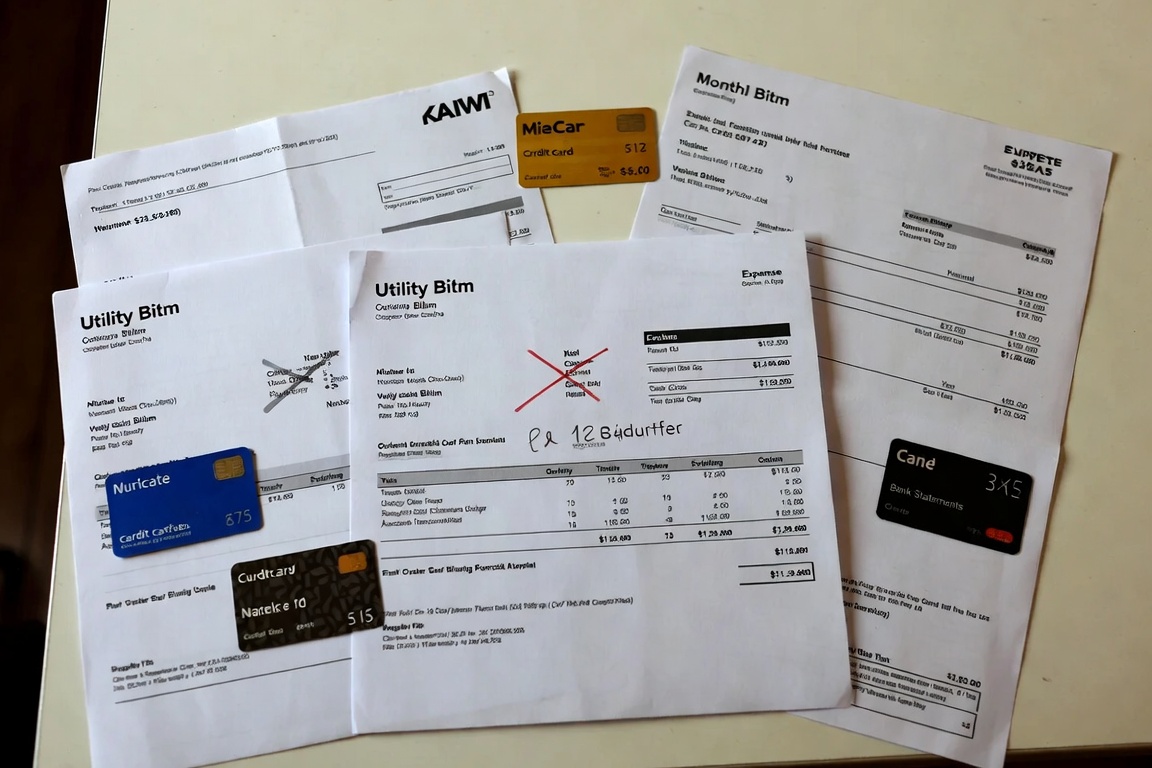
Utility Bill Relief: Every Program Available


Utility bills are one of the most common sources of financial pressure — and one of the areas with the most available relief. Here is every program.

Find Real Relief  ·  Free Tools  ·  No Obligation

Discover Relief Options Available to You

LIHEAP: The Federal Utility Assistance Program

The Low Income Home Energy Assistance Program provides federally funded utility bill assistance administered by states. LIHEAP helps qualifying households pay for heating costs in winter, cooling costs in summer, and in some states, provides year-round energy cost assistance. Income eligibility is typically up to 150 percent of the federal poverty level, though some states set higher thresholds. Applications are processed through state or local administering agencies — contact your state’s LIHEAP office or call 211 to identify the program in your area.

Utility Company Assistance Programs

Most utilities maintain their own hardship programs independent of LIHEAP. These programs vary by utility but commonly include: payment arrangements for past-due balances, forgiveness of late fees during hardship periods, direct financial assistance funded by ratepayer and corporate contributions, budget billing that smooths seasonal cost spikes, and energy efficiency assistance that reduces ongoing costs. None of these are automatic — they require a call to your utility to ask what is available and to request application materials.

Utility Relief Script: Call your utility and say: “I am experiencing financial difficulty and I am having trouble paying my bill. What assistance programs do you have available, and what is the process to apply?” Write down the programs mentioned and follow up on each one.

Weatherization Programs

The Weatherization Assistance Program (WAP) — federally funded through the Department of Energy — provides free energy efficiency improvements to qualifying low-income households. These improvements — insulation, air sealing, HVAC tune-ups, and other measures — permanently reduce energy consumption, providing ongoing monthly bill relief for as long as the household lives there. Contact your local Community Action Agency to determine eligibility and availability.

Water Assistance Programs

Water and sewer assistance is less consistently available than energy assistance, but programs do exist in many areas through utility-operated hardship funds, state programs, and community organizations. Contact your water utility directly to ask about available assistance, and check with 211 for any local supplemental programs.

Find More Relief Options

Disclosure: This site may receive compensation when you click on links or complete offers through our partners. Content is for informational purposes only and does not constitute financial advice.

Budget Relief Basics: Reducing What You Owe Each Month


The fastest way to feel budget relief is to reduce what your budget owes each month. Here is where the real opportunities are.

Find Real Relief  ·  Free Tools  ·  No Obligation

Discover Relief Options Available to You

The Monthly Obligation Landscape

Monthly budget relief comes from reducing what your budget owes each month — the fixed and recurring obligations that consume income before any discretionary spending begins. Not all of these are negotiable or reducible. But more of them are than most people assume, and the categories with the most reduction potential are not always the ones that first come to mind.

Insurance: The High-Return Review

Auto insurance, homeowners or renters insurance, and in some cases life insurance premiums are significantly more negotiable than most policyholders realize. Insurance markets are competitive and rate comparisons between providers frequently reveal $20 to $60 per month in savings for identical coverage. An annual rate review — contacting your current insurer and two competitors — typically takes 30 to 60 minutes and consistently produces measurable savings. Insurance rate reviews are among the highest-return-per-minute financial activities available.

Subscription Consolidation

The average household pays for more recurring subscriptions than it actively uses. A systematic review of all recurring charges — pulling bank and credit card statements to identify every auto-pay — reveals forgotten subscriptions, duplicated services, and services that provided value at subscription but are no longer used. Cancelling identified unnecessary subscriptions immediately produces ongoing monthly savings with zero sacrifice.

Quick Relief Target: Subscriptions and insurance are the two budget categories where meaningful savings are most consistently available without lifestyle sacrifice. Start here before addressing categories that require more significant behavior change.

Utility Bills

Most utility companies offer multiple assistance mechanisms: budget billing (averaging annual costs into consistent monthly payments to eliminate seasonal spikes), low-income rate programs, and assistance programs funded through both utility contributions and state/federal sources. Calling your utility and asking specifically “what programs do you have to help reduce my bill?” is a five-minute call that regularly produces meaningful ongoing relief for qualifying households.

Find More Relief Options

Disclosure: This site may receive compensation when you click on links or complete offers through our partners. Content is for informational purposes only and does not constitute financial advice.